The concept of a Smart Home has evolved from a futuristic dream into a practical reality for millions of households worldwide. With technology advancing at a rapid pace, homeowners now have the opportunity to integrate devices that enhance convenience, improve safety, and increase energy efficiency. From intelligent lighting systems to security solutions and connected appliances, the modern Smart Home offers unparalleled control and insight into everyday living. In this comprehensive guide, we will explore the top Smart Home devices, their features, and how they can transform your living environment into a safe, convenient, and efficient space.
Understanding the Smart Home Ecosystem
A Smart Home is essentially a network of devices connected to the internet that communicate with each other and can be controlled remotely via smartphones, tablets, or voice assistants. These devices range from security cameras and smart locks to thermostats, lighting systems, and appliances. The main advantage of integrating these devices is the ability to automate daily tasks, monitor your home in real time, and enhance overall convenience.
One of the defining characteristics of a Smart Home is interoperability. Devices from different manufacturers can often work together through platforms like Google Home, Amazon Alexa, or Apple HomeKit. This interconnectedness allows users to control multiple systems with a single app or voice command, creating a seamless experience.
The Smart Home ecosystem is divided into several categories, each offering unique benefits. These include security and surveillance systems, smart lighting, climate control, entertainment systems, and kitchen and household appliances. Understanding how these categories interact can help you design a comprehensive setup tailored to your lifestyle and needs.
Smart Home Security Systems
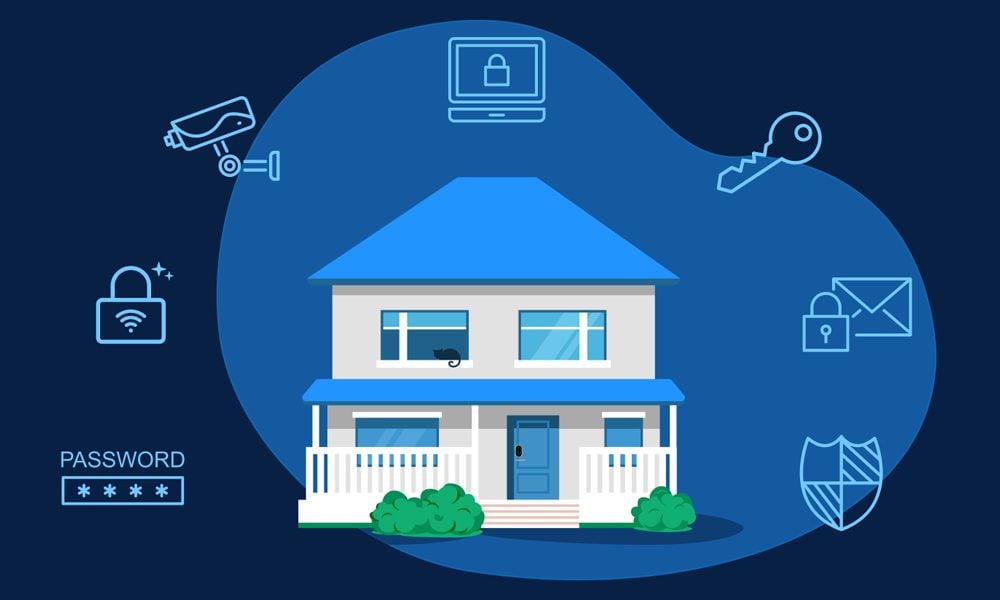
Security is often the primary motivation for upgrading to a Smart Home. Modern security devices offer real-time monitoring, instant notifications, and remote control, providing peace of mind whether you are at home or away.
Smart security cameras are among the most essential components of a Smart Home. These devices offer high-definition video recording, motion detection, and cloud storage options. Many cameras now incorporate artificial intelligence (AI) to differentiate between humans, pets, and objects, reducing false alarms and enhancing reliability.
Smart locks provide another layer of protection by allowing homeowners to control access to their property remotely. These devices can generate temporary access codes for visitors, log entry times, and even integrate with security cameras to monitor who is entering or leaving your home. Some locks also feature biometric authentication, such as fingerprint scanning, for an additional layer of security.
Door and window sensors form a fundamental part of a Smart Home security setup. These sensors trigger alerts if doors or windows are opened unexpectedly. When integrated with a central hub, these sensors can activate alarms, send notifications, and even trigger connected lights or cameras for real-time monitoring.
Furthermore, smart smoke and carbon monoxide detectors enhance household safety by sending instant alerts to your smartphone if dangerous conditions are detected. This allows for immediate action, even when you are not physically present, minimizing potential damage and risk to your family.
Smart Lighting Systems
Lighting plays a crucial role in both convenience and safety within a Smart Home. Smart lighting systems allow users to control the intensity, color, and timing of lights using a mobile app or voice commands. This capability can transform your home environment for different moods, activities, or energy-saving purposes.
Automated lighting schedules improve home security by simulating occupancy when the house is empty. Smart bulbs can be programmed to turn on and off at specific times, deterring potential intruders and giving the appearance of an active household. Motion-activated lighting further enhances safety by illuminating pathways, entrances, and exterior areas automatically when movement is detected.
Advanced smart lighting systems also integrate with other devices. For example, lights can sync with security cameras to flash during unusual activity or activate when doors or windows are opened. Additionally, lighting automation can be tied to voice assistants, allowing hands-free control and greater accessibility for residents of all ages.
Climate Control and Smart Thermostats
A Smart Home is incomplete without efficient climate control. Smart thermostats are designed to optimize energy use while maintaining comfortable indoor temperatures. These devices learn your habits over time, automatically adjusting heating and cooling settings to align with your schedule and preferences.
Energy monitoring is a significant advantage of smart thermostats. Homeowners can track energy consumption in real time, identify patterns, and adjust settings to reduce utility bills. Many thermostats also integrate with weather forecasts, adjusting indoor temperatures based on external conditions to maintain efficiency.
Remote access is another essential feature of smart climate control. Whether you are at work or traveling, you can adjust your home’s temperature from a mobile device, ensuring that the environment is perfect upon your arrival. Voice control through platforms like Amazon Alexa or Google Assistant adds another level of convenience, making it effortless to fine-tune temperatures without touching the device.
Smart Entertainment Systems
Entertainment is a growing sector within the Smart Home ecosystem. Modern smart entertainment devices offer a more immersive and intuitive experience compared to traditional setups. Smart TVs, streaming devices, and wireless audio systems allow for seamless content consumption across multiple rooms.
Smart TVs provide access to streaming services, voice control, and integration with other smart devices. For instance, you can pause a show remotely or control playback using voice commands. High-end models also offer AI-driven content recommendations, ensuring that entertainment is personalized to your preferences.
Wireless speakers and smart sound systems create a multi-room audio experience, controlled entirely through a mobile app or voice assistant. Music, podcasts, and audio alerts can be streamed to specific areas of the home, enhancing convenience and creating a connected environment.
Smart home theaters further elevate entertainment by combining automation, audio optimization, and lighting control. Scenes can be created for movie nights, adjusting lights, sound, and even climate settings automatically, providing a fully immersive viewing experience.
Smart Kitchen and Household Appliances
The Smart Home extends its convenience to everyday tasks in the kitchen and around the house. Smart refrigerators, ovens, and dishwashers provide automation, efficiency, and monitoring capabilities.
Smart refrigerators monitor food inventory, suggest recipes based on available ingredients, and even notify users when items are nearing expiration. Connected ovens allow remote preheating, monitoring, and cooking adjustments, providing precision and flexibility for busy households. Smart dishwashers offer scheduling, remote start, and energy monitoring, ensuring optimal performance with minimal intervention.
Beyond the kitchen, robotic vacuum cleaners and smart laundry machines automate routine chores, reducing the time spent on household tasks. These devices can be programmed for daily or weekly cleaning cycles, navigate obstacles, and return to charging stations autonomously, creating a hands-free, efficient cleaning experience.
Voice Assistants and Home Automation
Voice assistants are central to the modern Smart Home experience. Devices like Amazon Alexa, Google Assistant, and Apple Siri provide natural language control over a wide range of connected devices. With voice commands, users can control lighting, climate, security, entertainment, and appliances effortlessly.
Home automation platforms allow the integration of multiple devices into a cohesive system. Routines and scenarios can be created, such as “Good Morning” routines that gradually increase lighting, start coffee machines, adjust thermostats, and provide weather updates. Automation enhances convenience, improves efficiency, and ensures that everyday tasks are handled seamlessly.
The integration of voice assistants also supports accessibility, enabling individuals with mobility challenges to manage their home environment independently. This feature not only adds convenience but also promotes inclusivity and safety in a Smart Home setting.
Energy Efficiency and Sustainability
A Smart Home is not only about convenience and safety but also about sustainability. Smart devices provide insights into energy consumption and offer solutions to reduce environmental impact. Smart plugs, power strips, and energy monitoring systems track usage, allowing homeowners to identify energy-intensive devices and optimize consumption.
Smart thermostats and lighting systems further contribute to energy efficiency by ensuring that heating, cooling, and illumination are only used when necessary. Solar panel integration and battery storage systems can be monitored and controlled via smart platforms, enhancing renewable energy adoption and reducing reliance on the grid.
Sustainability-focused Smart Home devices also promote responsible water usage. Smart irrigation systems and leak detection devices optimize water consumption in gardens and homes, preventing waste and reducing costs while maintaining environmental responsibility.
Choosing the Right Smart Home Devices
Selecting the right devices for your Smart Home requires careful consideration of your lifestyle, needs, and budget. Start by identifying the areas where automation will provide the greatest benefit, whether it is security, convenience, energy efficiency, or entertainment.
Compatibility is a critical factor when building a Smart Home ecosystem. Ensure that all devices can communicate effectively with your chosen platform, whether it is Google Home, Amazon Alexa, or Apple HomeKit. Devices that integrate seamlessly provide a more reliable, cohesive experience.
User experience should also be considered. Devices with intuitive apps, responsive controls, and reliable customer support enhance satisfaction and reduce frustration. Investing in high-quality devices, even at a higher initial cost, often results in better long-term performance, fewer technical issues, and greater overall value.
Finally, security and privacy are essential considerations. Look for devices that offer strong encryption, secure cloud storage, and regular firmware updates. A safe Smart Home protects both your property and your personal information, ensuring peace of mind alongside convenience.
Conclusion
The evolution of the Smart Home has revolutionized the way we live, combining convenience, safety, and energy efficiency in a single connected ecosystem. From advanced security systems and automated lighting to climate control, entertainment, and household appliances, the modern Smart Home empowers homeowners to optimize their daily routines and create a more comfortable, secure, and efficient living environment.
By carefully selecting compatible devices, prioritizing user experience, and ensuring security, you can create a fully integrated Smart Home that enhances every aspect of your life. Whether your goal is to improve safety, save energy, or simply enjoy the convenience of automation, investing in the right devices is the key to unlocking the full potential of a Smart Home. For more insights, head over to our main site.
Frequently Asked Questions
What is a Smart Home and how does it work?
A Smart Home is a residence equipped with interconnected devices that communicate with each other and can be controlled remotely via smartphones, tablets, or voice assistants. These devices automate tasks, enhance security, and provide energy efficiency through smart technology.
Which Smart Home devices are essential for security?
Essential security devices include smart cameras, smart locks, door and window sensors, and smoke or carbon monoxide detectors. These devices allow real-time monitoring, instant alerts, and remote control to ensure safety both at home and away.
Can Smart Home devices save energy?
Yes, smart devices such as thermostats, lighting systems, and smart plugs monitor and optimize energy usage. They help reduce waste, lower utility bills, and contribute to a more sustainable and environmentally friendly home.
Are Smart Home systems compatible with each other?
Many Smart Home devices are compatible through platforms like Google Home, Amazon Alexa, or Apple HomeKit. Ensuring device compatibility allows seamless integration, centralized control, and automation across multiple systems.
How do I choose the right Smart Home devices for my home?
Selecting the right devices involves evaluating your lifestyle, priorities, and budget. Focus on areas where automation provides the most benefit, ensure platform compatibility, and prioritize user-friendly devices with strong security and reliable support.