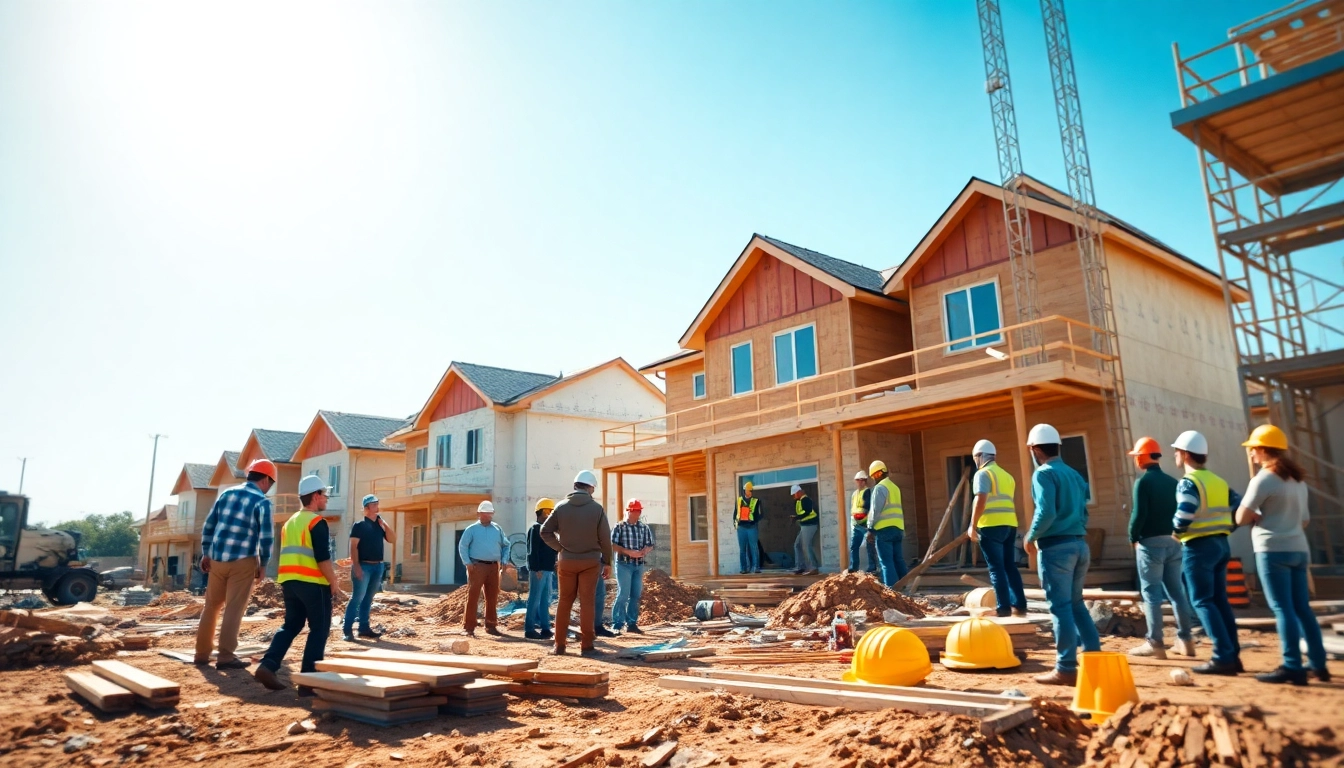
Understanding Construction Basics
The world of construction can be intricate and multifaceted, presenting a blend of art, science, and technical expertise that creates the built environment we often take for granted. Mastering these basics allows both professionals and enthusiasts to grasp the significance of sound methodologies, comprehend essential terms, and recognize critical components that comprise any construction project.
The Importance of Construction Methodologies
Construction methodologies serve as the framework underpinning how projects are executed. These methodologies encompass various strategies, techniques, and practices that guide workers from the initial planning stages to project completion. Understanding and implementing the right construction methodology is crucial for maximizing efficiency, ensuring safety, and maintaining high-quality standards.
Standard methodologies include Design-Bid-Build, Design-Build, and Construction Management at Risk (CMAR). Each has unique advantages depending on factors such as project size, complexity, and budget. Selecting an appropriate methodology not only influences project outcomes but can also affect stakeholder satisfaction, as it directly impacts timelines and costs.
Key Components of a Construction Project
A construction project is a complex organism made up of several components. Key elements include:
- Project Scope: Defines the work required to complete a project, including detailed requirements and deliverables.
- Design: Architectural and engineering plans that outline the physical structure and systems to be built.
- Schedule: A timeline that outlines when each phase of construction will start and finish.
- Budget: A breakdown of all costs involved in delivering the project.
- Quality Control: Procedures to ensure the finished structure meets specified standards.
Assessment and monitoring of each component are vital to keeping a project on the right track and ensuring successful outcomes.
Terminology Every Builder Should Know
Construction is filled with industry jargon that can be intimidating to newcomers. Familiarizing oneself with essential terms can significantly enhance communication and efficiency on site. Important terms include:
- Change Order: A written alteration to the construction contract, which can affect the scope, time, or cost.
- Contractor: An individual or company responsible for the execution of the construction project.
- Subcontractor: An entity hired by the contractor to perform specific parts of the work.
- Blueprints: Detailed architectural drawings that guide construction.
- Site Plan: A scaled drawing that outlines the proposed development of land.
Planning Your Construction Project
Successful construction begins with rigorous planning. To ensure that every factor is considered, a comprehensive plan must be developed before breaking ground. This stage is foundational, as it shapes how the project unfolds.
Developing a Comprehensive Plan
A comprehensive construction plan outlines every aspect of the project, from objectives to deliverables. The steps involved include:
- Define Project Objectives: Clearly state the goals of the project, including expected outcomes and impacts.
- Identify Stakeholders: Determine who will be affected by or have an interest in the project and involve them in the planning process.
- Research Regulations: Investigate zoning laws, safety regulations, and other legal requirements that may affect the project.
- Draft Timelines: Create a realistic schedule that accounts for potential delays, such as weather or supply chain issues.
Capturing all elements of a project in a detailed plan allows for better decision-making and can enhance overall project management.
Budget Considerations in Construction
A well-structured budget can make or break a construction project. Every aspect of a construction project must be accounted for in the budget to prevent cost overruns. Key considerations include:
- Labor Costs: Wages, benefits, and other expenses associated with hiring workers.
- Material Costs: Costs of all materials needed to complete the project, factoring in supply chains and waste.
- Permits and Fees: Legal costs incurred during the permit application and approval process.
- Contingency Fund: A safety cushion of about 10-15% of total project costs to cover unforeseen expenses.
Choosing the Right Location for Construction
The construction site plays an essential role in the project's success. Selecting the right location involves considering logistics, accessibility, and community impact. Factors to evaluate include:
- Accessibility: Evaluate the ease of access for workers, materials, and emergency services.
- Utilities: Ensure the availability of essential services such as water, electricity, and sewage.
- Environmental Impact: Conduct environmental assessments to understand potential disruptions or ecological effects.
- Local Community: Engage with local communities to gain support and mitigate any concerns.
Construction Techniques and Best Practices
With a plan in place, the next step is to employ effective construction techniques that enhance results while ensuring safety and efficiency on-site. This phase is where innovation meets practicality.
Innovative Construction Materials
The construction industry sees constant evolution in materials and methods. Utilizing innovative materials can result in more sustainable practices and enhance the lifespan of structures. Notable trends include:
- Green Building Materials: Recyclable or sustainably sourced materials reduce environmental impact.
- Prefabricated Components: Parts constructed offsite and assembled onsite can expedite timelines and reduce waste.
- Smart Materials: These materials react to environmental changes, improving energy efficiency and durability.
Safety Protocols in Construction
Safety should never be compromised on a job site. Establishing comprehensive safety protocols protects workers and ensures regulatory compliance. Essential practices include:
- Regular Training: Conduct ongoing safety training sessions to keep safety top of mind.
- PPE Requirements: Ensure all workers wear appropriate personal protective equipment, like hard hats and safety goggles.
- Emergency Procedures: Develop clear emergency response plans for situations such as fires and injuries.
Efficient Construction Methods to Save Time
Efficiency on the job site can lead to significant time and cost savings. Employing smart techniques can streamline processes and boost productivity. Popular efficient methods include:
- Lean Construction: Focuses on minimizing waste while maximizing value for clients and stakeholders.
- Just-in-Time Delivery: Scheduling deliveries to coincide with actual needs to avoid excessive storage costs.
- Building Information Modeling (BIM): This digital representation of a project helps in planning, design, and construction management.
Managing a Construction Team
The workforce is one of the most valuable assets in any construction project. Effective team management directly influences productivity, morale, and project outcomes.
Building Communication Skills Among Workers
Clear communication is critical to ensuring that everyone on the construction site understands their roles and responsibilities. Fostering an environment of open dialogue includes:
- Daily Meetings: Brief huddles before the workday begins to set expectations and discuss challenges.
- Feedback Mechanisms: Establishing protocols for giving and receiving feedback encourages improvement.
- Digital Platforms: Utilizing technology can facilitate real-time communication among team members and stakeholders.
Leadership Strategies for Project Managers
Strong leadership is essential for navigating the complexities of construction projects. Successful project managers employ techniques such as:
- Setting Clear Goals: Articulating expectations and desired outcomes enhances team focus.
- Encouraging Collaboration: Promoting a sense of unity and shared purpose fosters a productive work environment.
- Celebrating Achievements: Recognizing individual and team milestones boosts morale and motivation.
Resolving Conflicts in a Diverse Team
Diversity on construction teams brings a wealth of perspectives but can also lead to conflicts. Effective conflict resolution strategies include:
- Active Listening: Allowing all parties to express their views without interruption helps address misunderstandings.
- Mediation: Bringing in a neutral third party to facilitate discussions can resolve disputes amicably.
- Training on Cultural Competency: Equipping teams with skills to navigate diverse environments enhances collaboration.
Measuring Construction Success
The ability to measure the success of a construction project is vital for understanding its overall effectiveness and areas for improvement. These metrics provide insights that benefit future projects.
Performance Metrics to Track Progress
Performance metrics guide project managers in assessing whether objectives are met. Common metrics include:
- Schedule Performance Index (SPI): Measures the adherence to the project schedule.
- Cost Performance Index (CPI): Compares the budgeted cost of work performed to the actual costs.
- Quality Metrics: Evaluates the number of defects or non-conformities during construction.
Client Feedback: A Tool for Improvement
Gathering client feedback can uncover areas of success and identify opportunities for growth. Effective methods to solicit feedback include:
- Surveys: Distributing questionnaires after project completion can yield valuable insights.
- Interviews: Conducting in-depth conversations with clients for qualitative feedback can reveal deeper issues.
- Post-Project Reviews: Analyzing the project together with clients to discuss successes and challenges fosters collaboration.
Evaluating Project Outcomes in Construction
Once a project reaches completion, evaluating outcomes helps assess overall success and areas for improvement. Methods of analysis include:
- Final Cost Analysis: Comparing actual costs against initial budgets to assess financial performance.
- Time to Completion: Evaluating whether the project was completed on time.
- Client Satisfaction Surveys: Gathering client input on their experience provides insights for future projects.
Frequently Asked Questions
What are the common phases of a construction project?
The common phases include planning, design, pre-construction, construction, and post-construction. Each plays a crucial role in ensuring project success.
How can I reduce the costs of my construction project?
Consider using cost-effective materials, implementing Lean construction principles, and maintaining a contingency budget to manage unforeseen costs.
What safety measures should be taken on construction sites?
Essential measures include regular training, the use of personal protective equipment (PPE), and developing clear emergency action plans.
How important is communication in construction?
Communication is critical for ensuring that all team members understand their roles and responsibilities, thereby reducing errors and improving project outcomes.
What metrics should I track for measuring project success?
Key metrics include Schedule Performance Index (SPI), Cost Performance Index (CPI), and quality control measures to evaluate product standards.