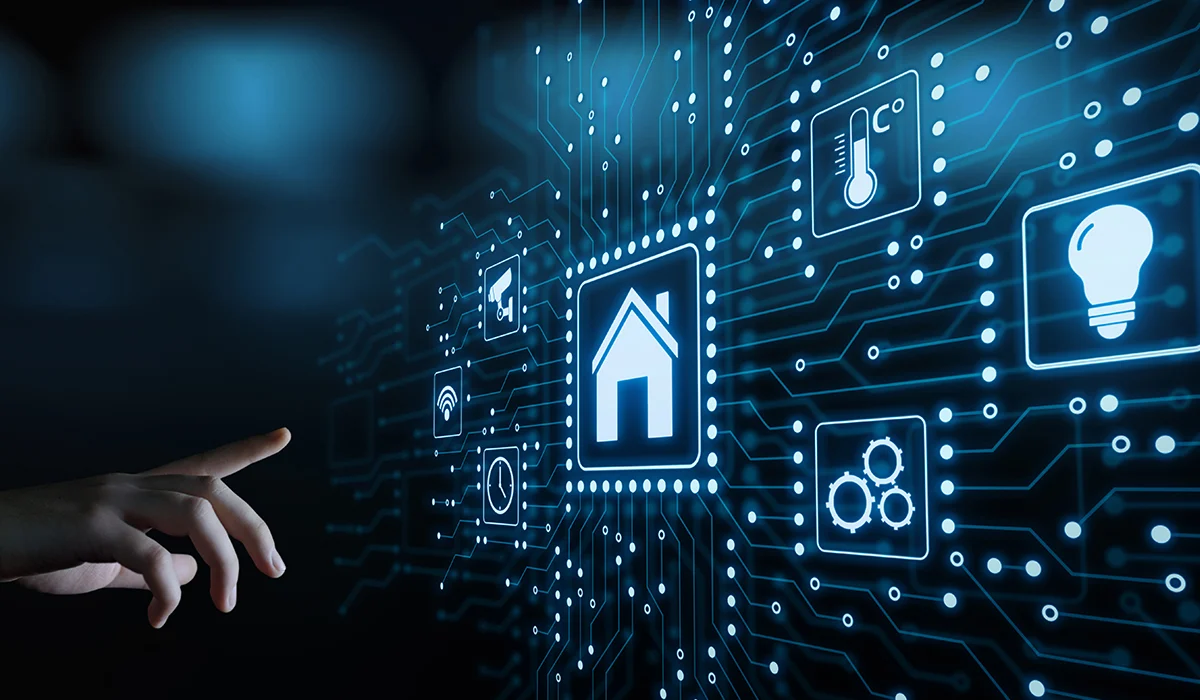
Creating a Smart Home is no longer just a luxury; it has become a practical and highly rewarding investment for homeowners seeking convenience, efficiency, and enhanced security. Whether you are new to smart technology or looking to upgrade your existing setup, this guide offers a comprehensive roadmap for transforming your home into a fully connected ecosystem. By exploring devices, automation, network considerations, and best practices, you can design a Smart Home that meets your needs seamlessly.
Understanding the Concept of a Smart Home
A Smart Home is a residence equipped with technology that enables remote control, monitoring, and automation of household systems. These systems can range from lighting, heating, and cooling to security cameras, entertainment systems, and even appliances. At its core, a Smart Home offers efficiency, convenience, and enhanced quality of life by integrating technology into everyday routines.
The idea is simple: by connecting devices to a central network, homeowners can control their environment effortlessly using smartphones, voice commands, or automated schedules. Modern Smart Home solutions also leverage artificial intelligence to learn user behaviors and adapt accordingly, creating personalized experiences that maximize comfort and efficiency.
Benefits of a Smart Home
Investing in a Smart Home brings multiple benefits that go beyond convenience. First, it significantly improves energy efficiency. Smart thermostats and lighting systems automatically adjust based on occupancy or time of day, reducing unnecessary energy consumption. This can lead to substantial savings on utility bills over time.
Security is another critical advantage. Integrated systems allow for real-time monitoring, instant alerts, and remote control of locks, cameras, and alarm systems. Homeowners can maintain peace of mind knowing that their property is constantly protected, even when they are away. Additionally, Smart Home technology can enhance comfort by automating daily routines, such as adjusting lighting for reading or controlling climate settings for optimal living conditions.
Furthermore, a well-designed Smart Home can improve accessibility for individuals with disabilities or seniors, enabling them to manage their environment more easily through voice control or mobile apps.
Essential Components of a Smart Home
To build a functional Smart Home, several core components need careful consideration. These elements form the backbone of a connected living space, ensuring that devices work harmoniously and deliver maximum benefits.
Smart Lighting Systems
Lighting is one of the most fundamental aspects of a Smart Home. Smart bulbs, switches, and fixtures allow homeowners to adjust brightness, color, and schedules remotely. For example, motion-activated lights can enhance security while conserving energy, and programmable lighting can create the perfect ambiance for different times of day or activities. Some advanced systems integrate with voice assistants, enabling hands-free control for ultimate convenience.
Smart Thermostats and Climate Control
Heating and cooling account for a significant portion of household energy usage. A smart thermostat learns your routines, adjusts temperature settings accordingly, and can even detect when you are away to reduce energy waste. Integrating smart climate control into a Smart Home ensures comfort while optimizing efficiency, often resulting in noticeable savings on energy bills.
Smart Security Systems
Security is a top priority for most homeowners investing in a Smart Home. Modern systems include door and window sensors, security cameras, motion detectors, and smart locks. These devices provide real-time alerts, video feeds, and remote control capabilities. Advanced solutions offer AI-driven analytics that detect unusual activity and differentiate between potential threats and everyday movements, enhancing overall safety.
Smart Entertainment and Audio
Home entertainment can be fully integrated into a Smart Home ecosystem. Smart TVs, streaming devices, and multi-room audio systems allow you to control content from a single interface. Voice-activated assistants and apps can schedule media playback, adjust volume, and even create personalized playlists based on user preferences, creating an immersive entertainment experience.
Smart Appliances
Modern appliances, including refrigerators, washing machines, ovens, and coffee makers, can now be connected to your Smart Home system. These appliances can provide notifications, schedule operations, and even optimize energy usage. For instance, a smart washing machine can run during off-peak hours to save electricity, while a connected oven can preheat remotely, ensuring meals are ready on time without unnecessary energy consumption.
Planning Your Smart Home Setup
Before purchasing devices, planning is critical to create a cohesive and functional Smart Home. Begin by identifying your goals. Are you primarily focused on security, energy efficiency, entertainment, or a combination of these elements? Understanding your priorities will guide device selection and integration strategies.
Next, consider your network infrastructure. A reliable and high-speed internet connection is essential for seamless device communication. Mesh Wi-Fi systems are often recommended for larger homes to eliminate dead zones and ensure all devices maintain stable connections. Security protocols and strong passwords are crucial to protect your network from unauthorized access.
It is also important to select a compatible ecosystem. Major platforms such as Google Home, Amazon Alexa, or Apple HomeKit offer extensive device support and simplify integration. Consistency in platform choice reduces complexity and ensures that all devices communicate effectively.
Integrating Devices and Automation
A true Smart Home comes alive when devices are integrated and automated. Automation allows multiple devices to work together based on predefined rules or triggers. For example, a “Good Morning” routine could adjust the thermostat, turn on lights gradually, and start the coffee maker simultaneously. Similarly, a “Leaving Home” routine could lock doors, arm security systems, and turn off unnecessary appliances.
Voice assistants play a central role in controlling these routines. By linking devices to platforms like Alexa, Google Assistant, or Siri, homeowners can manage multiple aspects of their Smart Home with simple commands. Automation not only enhances convenience but also improves energy efficiency and security by ensuring devices operate only when needed.
Smart Home Connectivity and Network Considerations
Connectivity is the backbone of any Smart Home. Most devices rely on Wi-Fi, Bluetooth, Zigbee, or Z-Wave protocols to communicate. Wi-Fi is essential for internet-dependent devices, while Zigbee and Z-Wave offer low-power, reliable connections for sensors and switches. A well-planned network ensures minimal latency, seamless control, and uninterrupted automation.
For larger homes, mesh Wi-Fi systems are highly recommended. These systems use multiple access points to eliminate dead zones and maintain strong connectivity throughout the home. Additionally, a separate network for smart devices can enhance security by isolating them from personal computers and smartphones, reducing potential vulnerabilities.
Energy Efficiency and Sustainability in Smart Homes
A key benefit of a Smart Home is improved energy efficiency. Smart thermostats, lighting, and appliances reduce waste by optimizing usage based on occupancy and user preferences. Solar panel integration and energy monitoring systems further enhance sustainability by tracking energy consumption and suggesting efficiency improvements.
Beyond energy savings, a Smart Home contributes to environmental responsibility by reducing the carbon footprint. Automated systems ensure resources are used only when necessary, making smart technology not just a convenience but a sustainable choice for modern living.
Cost Considerations and Budgeting
Building a Smart Home can vary significantly in cost depending on the scale and sophistication of the system. Entry-level setups focusing on lighting, thermostats, and basic security can be affordable, while advanced systems with full automation, multi-room entertainment, and smart appliances can be more costly.
Budgeting effectively requires prioritizing essential devices and gradually expanding the system. Many homeowners start with core components like security and climate control before integrating entertainment and advanced automation. This phased approach ensures manageable costs while allowing room for growth as technology evolves.
Common Challenges and How to Overcome Them
While the benefits of a Smart Home are substantial, some challenges may arise. Device compatibility issues can be mitigated by carefully selecting products within the same ecosystem. Network connectivity problems can be resolved with mesh Wi-Fi systems and regular firmware updates. Privacy and security concerns require strong passwords, secure networks, and regular monitoring of device permissions.
Another common challenge is overcomplicating the system. Beginners may be tempted to add multiple devices at once, leading to confusion and inefficiency. A thoughtful, gradual approach ensures smooth integration and maximizes the value of your Smart Home investment.
Future Trends in Smart Home Technology
The future of Smart Home technology promises greater personalization, intelligence, and interconnectivity. AI-driven systems will anticipate needs and make proactive adjustments to optimize comfort, security, and efficiency. Voice and gesture control will become increasingly intuitive, allowing more natural interaction with devices. Integration with wearable technology and smart city infrastructure will further enhance the home ecosystem, creating a truly connected living experience.
Conclusion
Creating a Smart Home requires careful planning, thoughtful device selection, and a clear understanding of your goals. By integrating lighting, climate control, security, entertainment, and appliances into a seamless ecosystem, homeowners can enjoy unprecedented convenience, efficiency, and peace of mind. The key to success lies in starting with core components, building a reliable network, and gradually expanding your system with compatible, high-quality devices. As technology continues to evolve, the possibilities for a Smart Home are virtually limitless, offering a lifestyle that is more comfortable, secure, and energy-efficient. For more insights, head over to our main site.
Frequently Asked Questions (FAQs)
What is a Smart Home?
A Smart Home is a residence equipped with interconnected devices that can be controlled remotely or automated to improve convenience, security, and energy efficiency. These devices include lighting, thermostats, security cameras, appliances, and entertainment systems.
How do I start building my Smart Home?
Start by defining your goals, such as security, energy efficiency, or convenience. Choose a compatible platform like Google Home, Amazon Alexa, or Apple HomeKit. Begin with core devices like smart lighting, thermostats, and security systems, and expand gradually.
Are Smart Home devices secure?
Yes, most Smart Home devices are secure when proper precautions are taken, such as using strong passwords, updating firmware regularly, and maintaining a secure network. Isolating smart devices on a separate network can further enhance security.
Can a Smart Home save money on energy bills?
Absolutely. Smart thermostats, lighting, and appliances optimize energy usage by adjusting settings based on occupancy and usage patterns. Over time, this can significantly reduce energy consumption and lower utility costs.
Do I need professional installation for a Smart Home?
Not always. Many Smart Home devices are designed for easy DIY installation. However, complex systems or whole-home automation may benefit from professional installation to ensure optimal performance and integration.