
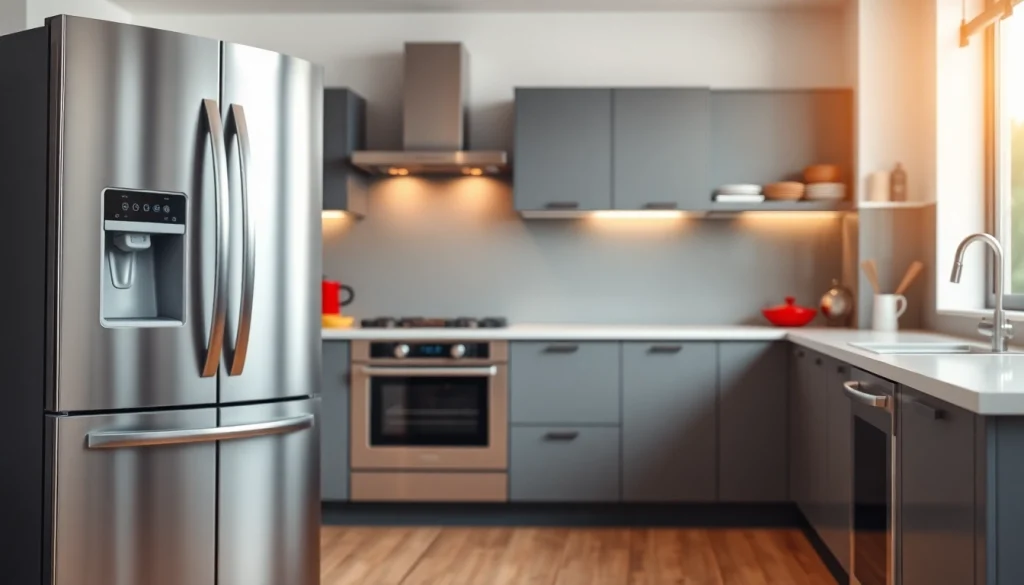
Understanding Home Appliances
What are Home Appliances?
Home appliances encompass a variety of devices designed to aid in household tasks, such as cooking, cleaning, and food preservation. These essential machines enhance the overall efficiency and convenience of daily chores, allowing individuals to save time and energy. Common examples include refrigerators, washing machines, microwaves, and dishwashers, which contribute significantly to making modern living more achievable and enjoyable. With advancements in technology, the market for home appliances has become increasingly diverse, catering to various needs and preferences.
Types of Home Appliances
Home appliances can be broadly categorized into two types: major appliances and small appliances. Major appliances, often referred to as white goods, include larger items such as refrigerators, ovens, and laundry machines. These are usually more expensive and more permanent installations in a household. Small appliances, on the other hand, are portable devices such as toasters, blenders, and coffee makers, which can be easily stored and used as needed. Another classification includes built-in and freestanding appliances, as well as electric and gas-powered options, adding further variety to the category of home appliances.
Importance of Choosing Quality
Selecting quality home appliances is essential for several reasons. First, high-quality appliances tend to be more energy-efficient, leading to substantial savings on utility bills over time. They also offer enhanced durability, minimizing the need for repairs or replacements. Additionally, quality appliances often incorporate the latest technology, improving performance and user experience. Investing in reputable brands could ultimately lead to a more satisfying and hassle-free cooking, cleaning, and maintenance experience.
Essential Home Appliances for Every Household
Kitchen Appliances: Must-Haves
The kitchen is often considered the heart of the home, and the right appliances can enhance its functionality. Essential kitchen appliances include:
- Refrigerators: Vital for food preservation and storage, ensuring items remain fresh.
- Ovens: Necessary for baking and cooking, available in gas, electric, and convection varieties.
- Microwaves: Perfect for quick meal preparation and reheating.
- Dishwashers: Save time and energy when cleaning cookware and utensils.
- Blenders and Food Processors: Essential for meal prep, offering versatility in texture and consistency.
Each appliance can significantly simplify cooking tasks and cater to culinary ambitions, making them indispensable in modern kitchens.
Laundry and Cleaning Solutions
Maintaining a clean home requires efficient laundry and cleaning solutions. Essential appliances in this category include:
- Washing Machines: Automated washing appliances that save time and effort in laundry chores.
- Dryers: Perfect for quickly drying laundry, particularly in regions with inclement weather.
- Vacuum Cleaners: Effective for maintaining floor cleanliness across various surfaces.
- Steam Cleaners: Ideal for deep cleaning carpets, curtains, and upholstery.
These appliances contribute to a clean, hygienic home environment, reinforcing the importance of maintaining cleanliness.
Energy-Efficient Choices
As the focus on sustainability grows, energy-efficient home appliances have taken center stage. Opting for Energy Star-rated appliances can lead to substantial reductions in energy consumption. These appliances use advanced technology to reduce energy use without compromising performance. Not only do they benefit the environment, but they also lower energy bills significantly over time, contributing to cost savings for homeowners.
How to Select the Best Home Appliances
Factors to Consider Before Purchase
Choosing the right home appliances involves careful consideration of several factors:
- Space Availability: Measure available space before making a purchase to ensure the appliance fits well.
- Energy Efficiency Ratings: Look for models with high energy ratings to minimize environmental impact and utility costs.
- Brand Reputation: Research brands known for reliability and customer satisfaction.
- Warranty and Support: Consider models that come with a solid warranty and reliable customer support options.
Thorough assessment helps ensure the appliances align with both budget and long-term household needs.
Comparative Analysis of Features
Before finalizing a purchase, conducting a comparative analysis of features among different appliance models is crucial. Key features to evaluate include:
- Capacity: Compare capacities, especially for refrigerators and washing machines.
- Power Consumption: Review power consumption details to assess operational costs.
- Added Features: Consider additional functionality, such as smart technology or self-cleaning capabilities.
Carrying out this analysis ensures the chosen appliance meets specific requirements effectively, providing the best value for money.
Budget Management Tips
Purchasing home appliances often requires significant investment. Here are some budget management tips:
- Set a Budget: Determine a realistic budget before shopping to prevent overspending.
- Compare Prices: Utilize price comparison tools and online reviews to find the best deals.
- Look for Sales: Time your purchases during sales or promotional events for additional savings.
Being strategic and thoughtful in purchasing helps maximize value while balancing household needs.
Maintenance Tips for Longevity
Regular Cleaning Practices
Proper maintenance is key to prolonging the lifespan of home appliances. Regular cleaning practices include:
- Wipe Surfaces: Regularly clean exterior surfaces to remove dust and grime.
- Deep Cleaning: Perform deep cleaning at least once a year to prevent build-up in areas like refrigerators and washers.
- Follow Manufacturer Instructions: Adhere to recommended cleaning protocols as per the product guide.
Adopting a consistent cleaning regime minimizes wear and tear, safeguarding performance and durability.
Common Troubleshooting Techniques
Appliance troubleshooting can often resolve minor issues without professional help. Techniques include:
- Check Power Sources: Ensure machinery is plugged in or the circuit breaker has not tripped.
- Review Manuals: Consult user manuals for specific troubleshooting steps tailored to each appliance.
- Basic Repairs: Learn simple repair techniques for common problems, like unclogging drain hoses in washing machines.
Empowering yourself with knowledge on troubleshooting can lead to quick fixes and save on repair costs.
When to Call a Professional
Despite best efforts, some appliance issues require professional intervention. Signs it may be time to consult an expert include:
- Persistent Problems: If issues persist despite troubleshooting, expert help may be necessary.
- Strange Noises: Unusual sounds often indicate mechanical failure that needs repair.
- Leaks and Malfunctions: Significant leaks or functional failures should be addressed promptly to prevent further damage.
Knowing when to seek professional help can alleviate headaches and ensure appliances function efficiently.
Innovations in Home Appliances
Smart Technology Trends
The rise of smart home technology is transforming the landscape of home appliances. Today, many appliances can be connected to home Wi-Fi networks and controlled via smartphones or voice-activated devices. Features like remote monitoring, automated settings, and energy usage tracking enhance user convenience and efficiency, creating a seamless experience in modern living.
Eco-Friendly Options in the Market
As environmental concerns grow, manufacturers are increasingly offering eco-friendly home appliances. These may include options made from sustainable materials, as well as energy-efficient models utilizing advanced technology for reduced consumption. Appliance recycling programs and the rise of electric units further lessen their carbon footprint, nurturing a healthier planet.
Future Directions in Appliance Design
Future trends in appliance design indicate an ongoing focus on customization, technology integration, and energy efficiency. Expect to see innovations like interactive touch screens and AI-driven functions that adapt to user preferences. As the demand for intuitive products grows, appliances will increasingly become integral components of smart homes, offering seamless integration into daily lives.
FAQs
What is the average lifespan of home appliances?
The average lifespan varies by appliance type. Refrigerators generally last 10-20 years, while washing machines and dryers can last 10-15 years. Regular maintenance can prolong their life significantly.
How can I determine if my appliance is energy efficient?
Look for the Energy Star label, which signifies that the appliance meets energy efficiency guidelines set by the U.S. Environmental Protection Agency. Checking the energy consumption rates can also help.
What maintenance do home appliances need?
Regular cleaning, checking for blockages (for washers and dishwashers), and inspecting seals for wear are key maintenance practices. Following manufacturer instructions for periodic check-ups is also beneficial.
Are smart appliances worth the investment?
Smart appliances can enhance convenience, efficiency, and connectivity within a home. Though they may have a higher upfront cost, potential energy savings and advanced functionalities can justify the investment over time.
When should I replace an appliance?
Consider replacing appliances if they are over 10 years old, require frequent repairs, or are consistently inefficient. Signs of major malfunctions often warrant an upgrade as well.