
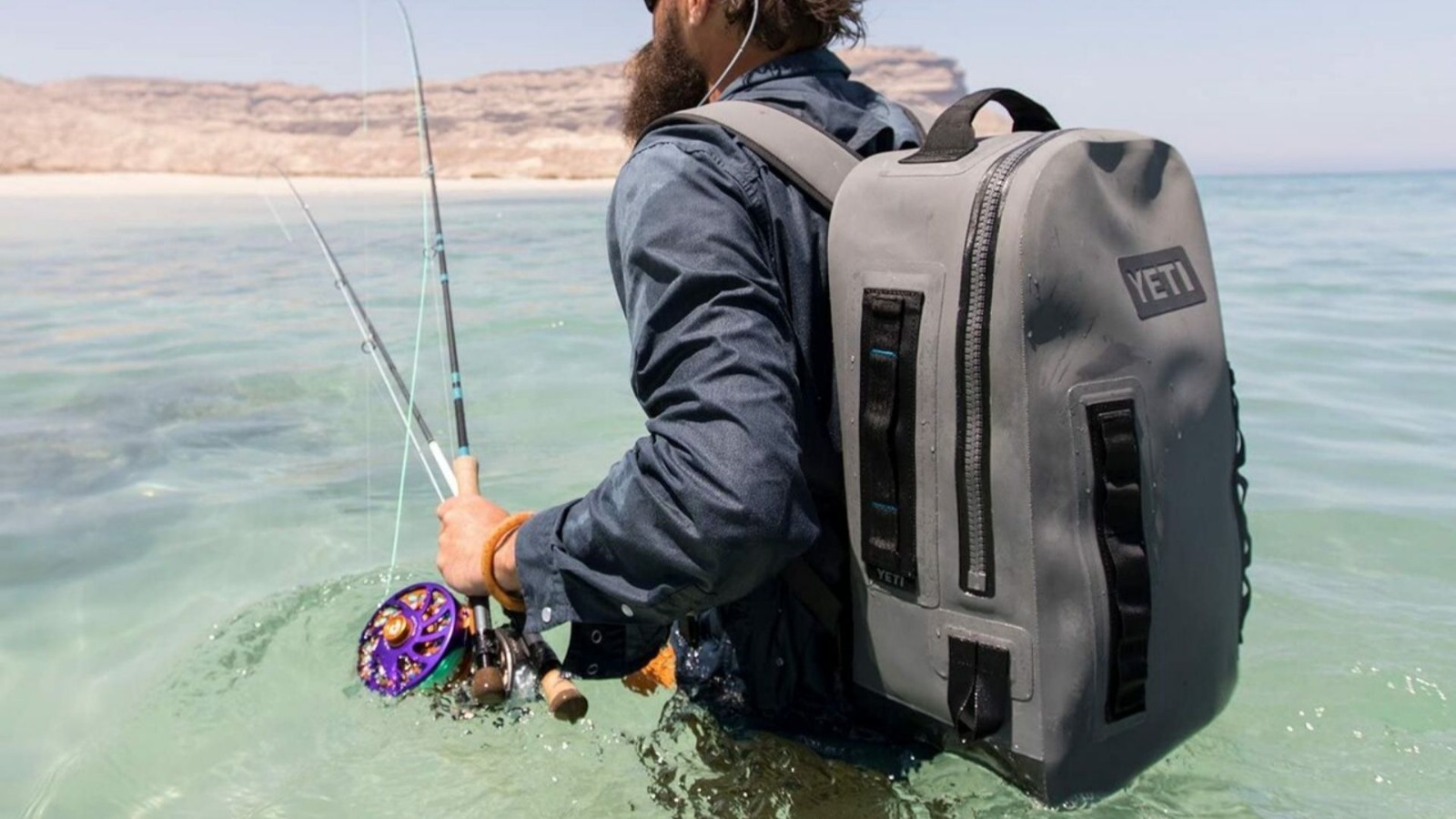
Choosing the right gear can make or break a day on the water, and that starts with your bag. A Fly fishing bag is more than just storage; it’s your mobile tackle shop, keeping flies, tools, and accessories organized and accessible. But with so many options available, anglers often face the dilemma: compact or large? Each size offers unique advantages and challenges, and understanding these differences is crucial for making an informed choice.
Understanding Fly Fishing Bags
Fly fishing bags are specially designed to carry essential gear such as flies, leaders, tippets, reels, and personal items, all while remaining practical and comfortable during long hours of fishing. They come in a variety of sizes, from minimalist compact models to fully loaded large versions. Knowing how each type aligns with your fishing style is the first step toward a better angling experience.
The Purpose of a Fly Fishing Bag
A fly fishing bag serves three primary purposes:
- Organization: Keeping your flies, tools, and other accessories systematically arranged.
- Portability: Offering ease of carrying without hampering mobility, especially when wading or hiking.
- Protection: Shielding your gear from water, dirt, and accidental damage.
Understanding your specific needs can help you determine whether a compact or large bag is best for your adventures.
Compact Fly Fishing Bags
Compact fly fishing bags are designed for anglers who prefer minimalism and mobility. Typically smaller and lighter, these bags are ideal for short trips or situations where carrying less is advantageous.
Advantages of Compact Fly Fishing Bags
- Lightweight and Comfortable: One of the primary benefits is their reduced weight. Compact bags are less cumbersome and easier to carry over long distances or through rough terrain.
- Quick Access to Essentials: Smaller compartments make it easier to locate critical gear quickly, without digging through a large storage area.
- Versatility: Many compact models can double as everyday backpacks or camera bags, making them suitable for multi-use purposes beyond fishing.
Potential Drawbacks
- Limited Storage: The smaller size restricts the number of flies, tools, and accessories you can carry.
- Reduced Customization: Compact bags often have fewer compartments and pockets, limiting organizational options.
- Not Ideal for Extended Trips: For multi-day fishing excursions, compact bags may require additional storage solutions.
Who Should Choose a Compact Bag?
Anglers who primarily fish in streams or rivers, where mobility is key, will find compact bags most suitable. They are also ideal for those who prefer short, day-long excursions or who prioritize speed and convenience over carrying a comprehensive kit.
Large Fly Fishing Bags
Large fly fishing bags are designed for anglers who need to carry more equipment and are willing to trade some portability for capacity and organization.
Advantages of Large Fly Fishing Bags
- Maximum Storage Capacity: Large bags can accommodate multiple fly boxes, reels, clothing, food, and other essentials for extended trips.
- Enhanced Organization: With numerous compartments, loops, and dividers, large bags allow anglers to categorize gear efficiently.
- Durability and Protection: Many large bags are built with robust materials to withstand heavier loads and harsher environments.
Potential Drawbacks
- Weight and Bulk: The size can make these bags heavy and less comfortable for long hikes or wading in rivers.
- Reduced Mobility: Large bags may hinder movement in tight spaces or shallow waters.
- Overpacking Temptation: Having more space can encourage carrying unnecessary items, potentially slowing you down.
Who Should Choose a Large Bag?
Anglers planning multi-day fishing trips or those who need to transport a wide variety of gear will benefit from a large fly fishing bag. They are ideal for boat fishing, car-top fishing trips, or locations where carrying additional supplies is necessary.
Factors to Consider When Choosing a Fly Fishing Bag
Choosing between compact and large fly fishing bags requires careful consideration of multiple factors to ensure your bag complements your angling style.
1. Fishing Location and Terrain
Consider where you’ll be fishing most often. Compact bags are excellent for remote rivers and steep trails, while large bags shine in accessible lakes, streams, and car-top destinations.
2. Trip Duration
Short, single-day trips may only require a compact bag with essentials. For extended trips or overnight adventures, a large bag provides the storage needed for clothing, food, and additional gear.
3. Gear Requirements
Assess the amount of gear you typically use. If you carry multiple fly boxes, reels, and extra clothing, a large bag ensures everything has a proper place. Conversely, if you travel light, a compact model is sufficient.
4. Comfort and Ergonomics
Test how the bag feels while carrying it. Compact bags are generally easier on the shoulders and back, while larger bags may require padded straps, hip belts, or chest straps to distribute weight effectively.
5. Budget
Price often correlates with size and features. Compact bags may cost less, while larger bags with advanced materials and multiple compartments may be a higher investment. Ensure the bag offers value for your needs without overspending.
Tips for Maximizing Your Fly Fishing Bag
Regardless of size, optimizing your fly fishing bag can significantly enhance your experience.
1. Prioritize Essential Gear
Pack items you truly need based on the trip’s duration and location. Avoid cluttering the bag with rarely used items.
2. Organize Strategically
Use compartmentalization to separate flies, tools, and personal items. For large bags, consider using removable boxes for quick access.
3. Protect Fragile Gear
Ensure your bag has waterproof sections or use protective cases for sensitive gear like reels and electronics.
4. Adjust for Comfort
Distribute weight evenly, adjust straps, and utilize padding to prevent strain during long hikes or wading.
Compact vs. Large: Finding the Right Balance
Ultimately, choosing between a compact or large fly fishing bag comes down to matching your gear, trips, and comfort preferences. Some anglers even maintain both types to suit different fishing scenarios. Understanding the advantages and limitations of each bag ensures you invest in a product that genuinely enhances your angling experience.
Conclusion
Selecting the right fly fishing bag is an essential step toward a successful day on the water. Compact bags offer mobility, simplicity, and convenience for short trips or minimalist anglers, while large bags provide organization, capacity, and durability for extended adventures. By evaluating your fishing style, trip duration, gear needs, and comfort, you can confidently choose the bag that best supports your time on the water. Don’t settle for less—invest in a fly fishing bag that keeps your gear organized, accessible, and protected, ensuring every cast counts.